Volume 3, Issue 2
Perspective
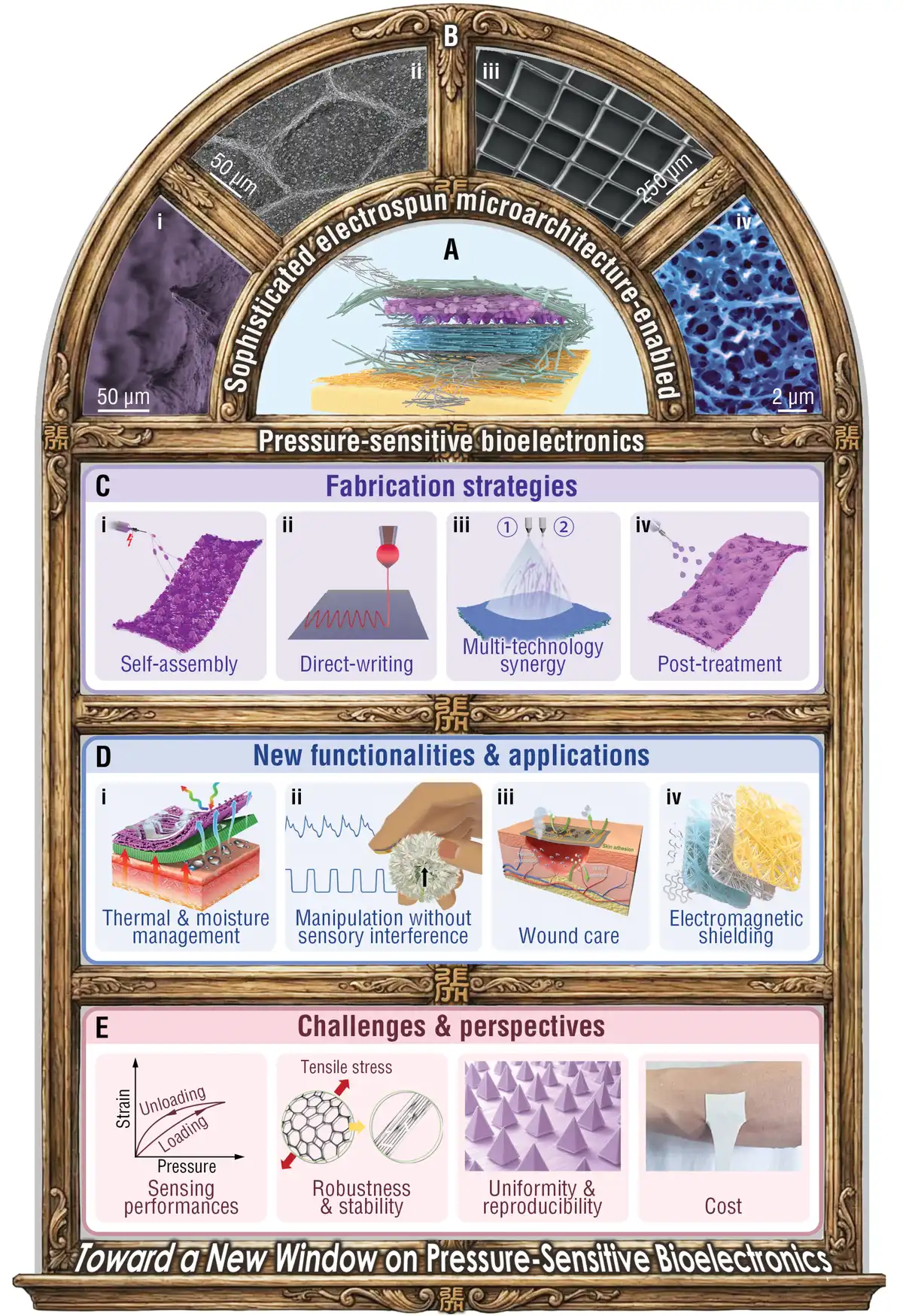
Three-dimensionally microarchitected electrospun fabric-enabled pressure-sensitive bioelectronics
Review Article
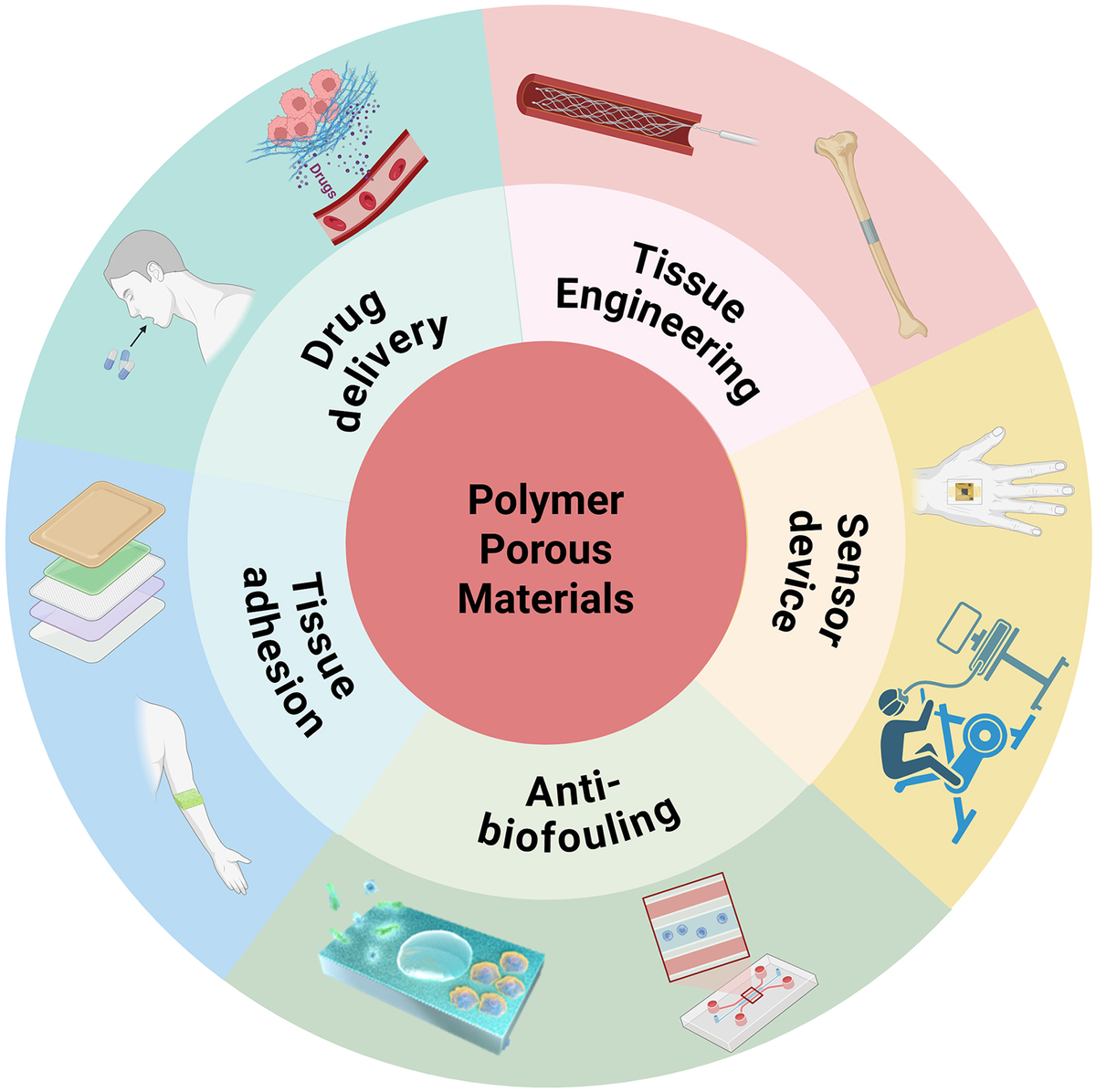
Biomedical applications of polymer porous materials: design, properties, and future perspectives
Polymer porous materials (PPMs) are an emerging class of functional biomaterials characterized by tunable pore structures, high specific surface areas, and favorable physicochemical properties. This review highlights the classification of PPMs into inorganic, organic, and organic–inorganic hybrids, with a focus on how structural features influence their biomedical performance. Due to their unique architecture and biocompatibility, PPMs have shown significant potential in various biomedical applications, including drug delivery systems, tissue engineering scaffolds and implantable devices, biosensors, and membranes for functional coating and separation systems. For drug delivery, biodegradable and stimuli-responsive PPMs offer controlled and targeted drug release while minimizing adverse effects. In tissue engineering, PPM-based scaffolds support cell adhesion, proliferation, and extracellular matrix deposition, which would subsequently promote functional tissue regeneration. For biosensing, the high surface-to-volume ratio and selective permeability of PPMs enhance detection sensitivity and specificity. Furthermore, recent advances in responsive hydrogels, antifouling filtration membranes, and bioactive coatings underscore their clinical translation potential. Despite rapid development, challenges such as precise control over pore size, mechanical–biological trade-offs, and long-term safety still remain. Addressing these limitations is critical for advancing PPMs toward clinical application in regenerative medicine, smart therapeutics, and diagnostic technologies.
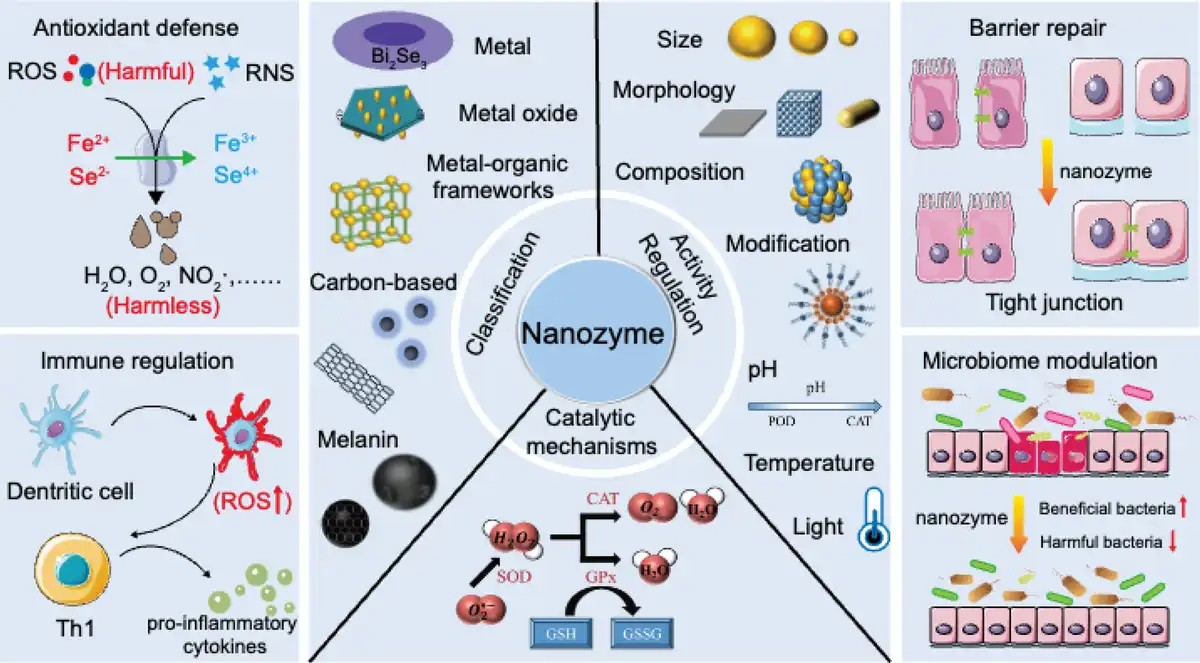
Pathogenesis-guided nanozymes: from design to therapy for gastrointestinal inflammation
Gastrointestinal inflammatory diseases have a significant impact on human health and quality of life, underscoring the urgent need to develop novel treatment strategies. As emerging biomaterials, nanozymes combine the advantages of nanomaterials with enzyme-like catalytic activities, demonstrating considerable potential for managing gastrointestinal inflammation. To provide researchers with a clear and concise overview of recent advances and future directions in this area, this review systematically summarizes and discusses the progress in nanozyme applications for treating gastrointestinal inflammatory disorders, including inflammatory bowel disease, Helicobacter pylori infection, and the like. We begin by elucidating the catalytic mechanisms underlying the major types of nanozymes, including metal-based, metal–organic framework-based, and carbon-based nanozymes. Subsequently, we explore nanozyme designs that enable multifaceted therapeutic effects—including antioxidant, anti-inflammatory, microbiota regulation, and barrier repair functions—through strategies such as multienzyme mimicry, targeted delivery, and stimulus-responsive activation. While challenges related to targeting precision and biosafety remain, nanozymes offer promising opportunities to overcome the limitations of conventional therapies. The review also discusses future prospects, such as artificial intelligence-assisted design, which may accelerate the development of next-generation nanozymes. We believe this work provides a valuable theoretical foundation for the design of efficient and safe nanozyme-based treatments for gastrointestinal inflammation.
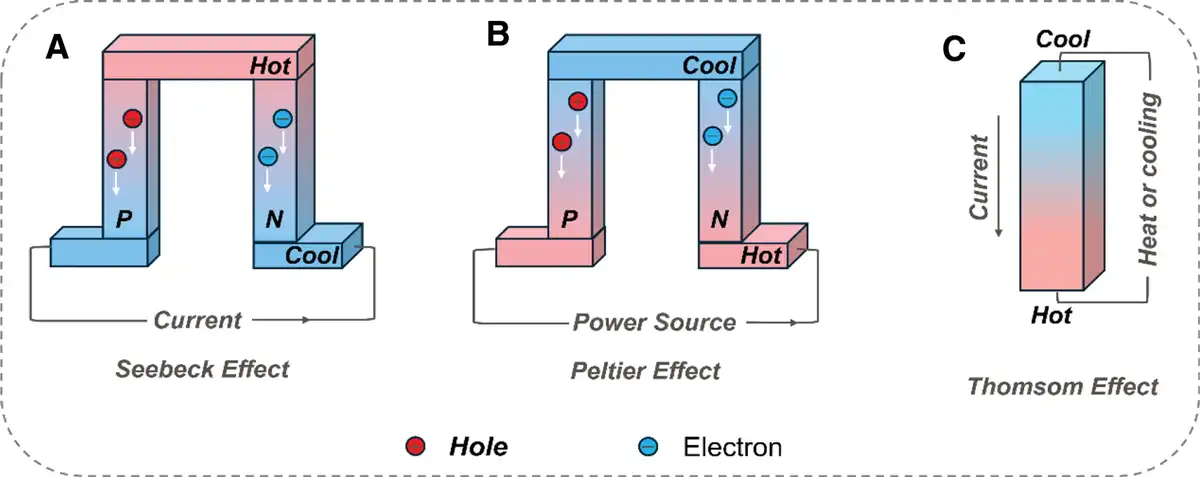
Thermoelectric materials for skin wound healing
Skin wound healing remains a significant clinical challenge, with traditional therapies often facing issues such as infection and secondary trauma. Thermoelectric (TE) materials possess the unique ability to convert thermal energy into electrical energy. Electrical signals generated by these materials can accelerate skin wound healing by reconstructing endogenous electric fields, modulating the inflammatory microenvironment, and promoting angiogenesis. Despite their substantial potential, a comprehensive understanding of the mechanisms, biocompatibility, antimicrobial properties, and practical applications of TE materials in skin wound healing is still lacking. This review aims to highlight recent advancements in wound healing using TE materials, while integrating considerations of flexibility, biocompatibility, and antimicrobial performance to optimize TE device design. Strategies for enhancing TE performance, such as carrier concentration modulation, band engineering, and lattice thermal conductivity reduction, are discussed to balance conductivity and the Seebeck coefficient. Although challenges in biosafety and room-temperature performance regulation of inorganic materials persist, future developments in multimodal synergistic therapy, intelligent monitoring systems, and novel material design are expected to drive the clinical translation of TE materials for treating refractory wounds.
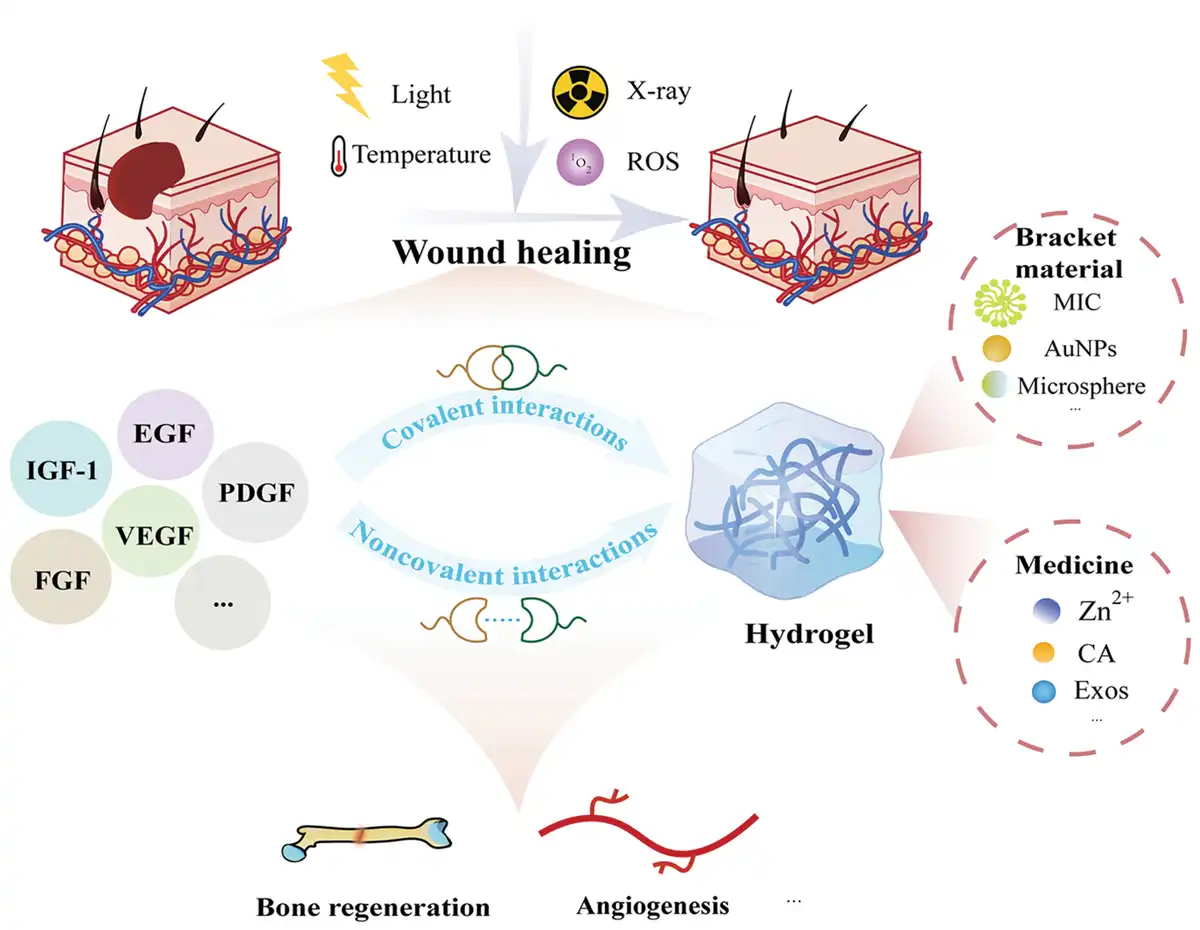
Smart responsive hydrogel-based growth factor delivery systems: precise release and synergistic regeneration strategies for wound healing
Chronic wounds resulting from burns, infections, and/or diabetes represent a significant clinical challenge due to impaired healing processes, which can lead to severe complications and even amputation. Growth factors (GFs) play crucial roles in all stages of wound healing. However, their therapeutic efficacy is compromised by rapid proteolytic degradation within the wound microenvironment, while excessive concentrations can induce detrimental side effects. Hydrogels, with their three-dimensional network structure, serve as an ideal carrier for GF delivery, protecting bioactivity and enabling controlled release. This review first summarizes the key roles of different GFs in wound healing. It then focuses on hydrogel-based GF loading strategies (noncovalent and covalent binding) and the integration of stimuli-responsive mechanisms for on-demand spatiotemporal release. Additionally, the potential of synergistic therapy combining drugs or scaffold materials with hydrogel-GF systems is discussed. Finally, the application prospects of this technology in other regenerative fields are explored.
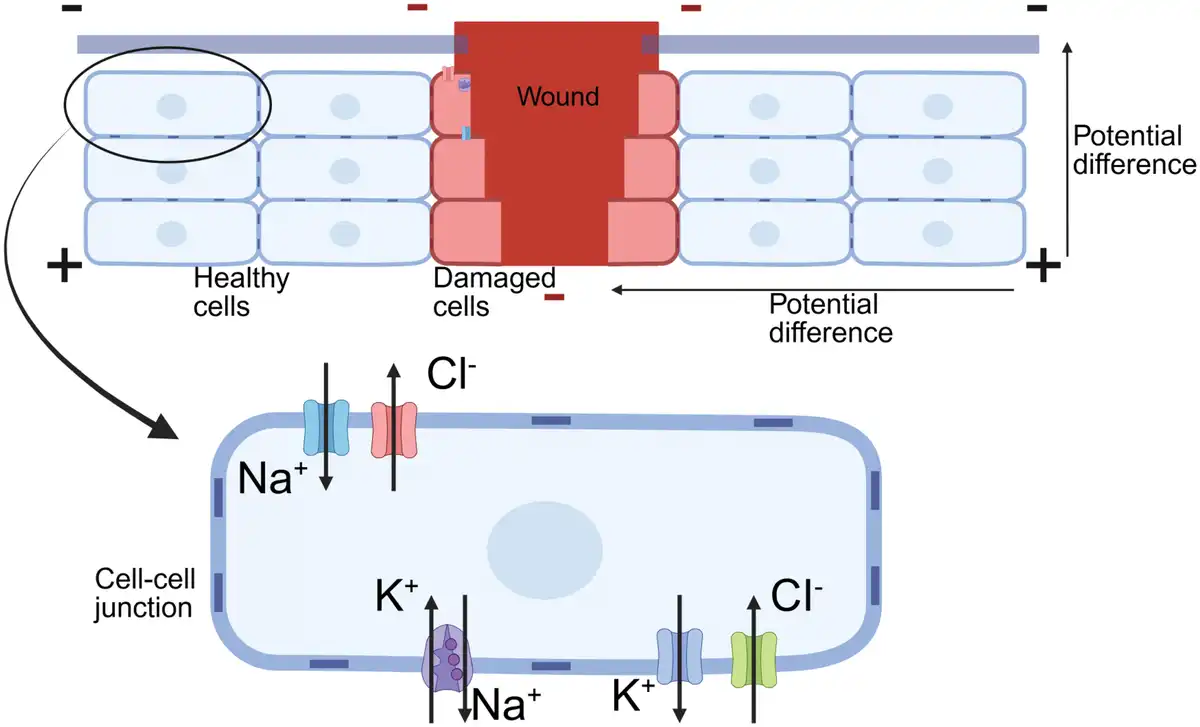
Exogenous electrical stimulation in soft tissue wounds healing: mechanism and devices
Electrical stimulation can serve as a therapeutic modality, accelerating the healing of soft tissue wounds. However, endogenous electric fields are frequently found to be attenuated in chronic wounds. Consequently, exogenous electrical stimulation devices have been explored to supplement and enhance endogenous electric fields, thereby promoting faster and more robust healing of soft tissue injuries. This review outlines the generation of endogenous electric fields in wounds, the molecular mechanisms by which electric fields facilitate healing, and the roles of endogenous electric fields across various stages of tissue repair. It further highlights recent advancements in applying exogenous electrical stimulation to wound sites. Finally, we discuss the challenges and future directions for the widespread clinical implementation of exogenous electrical stimulation in soft tissue wound management.
Research Article
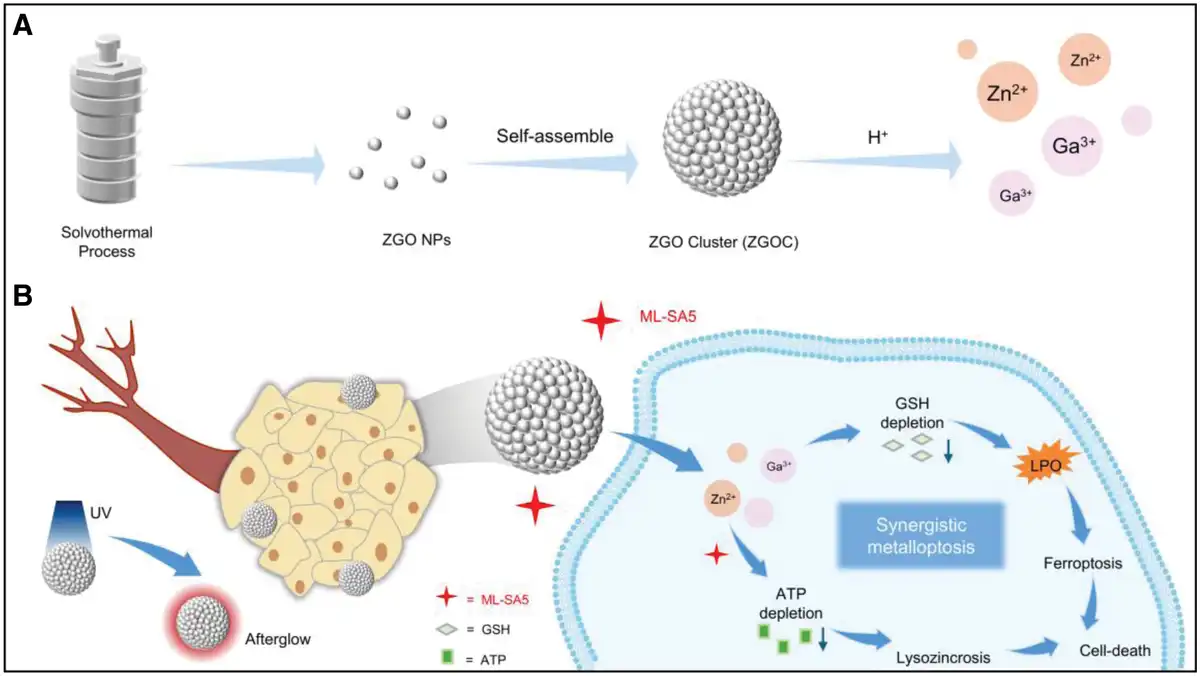
Zinc gallate nanoclusters-mediated enhanced metalloptosis in melanoma
As one of the most malignant tumors, metastatic melanoma essentially requires the regulation of the lysosomal cation channel, transient receptor potential mucolipin channel 1 (TRPML1), which is also involved in the participation of various ions, especially zinc ions. This perfectly aligns with the advanced therapeutic approach based on nanomaterials, because nanomaterials can easily integrate multiple metal elements to disrupt the internal homeostasis of various ions, eventually inhibiting the cell growth of metastatic melanoma. Hence, based on our previously proposed metalloptosis strategy, herein, zinc gallate-based nanoclusters (ZGOCs) containing both zinc and gallium were developed, capable of inducing metalloptosis. Responded to a weak-acid tumor microenvironment, ZGOCs could effectively release gallium ions that triggered ferroptosis through depleting glutathione and increasing lipid peroxidation levels. Moreover, the released zinc ions co-treated with ML-SA5, a TRPML-specific agonist, further promoted lysozincrosis. In addition, ZGOCs exhibited rechargeable afterglow luminescence, which facilitated in vivo clearer diagnostic images with high contrast for more accurate detection of tumor boundaries. Collectively, ZGOCs in combination with ML-SA5 significantly suppressed tumor growth with favorable biosafety, providing a promising metalloptosis-based strategy for the treatment of metastatic melanoma.
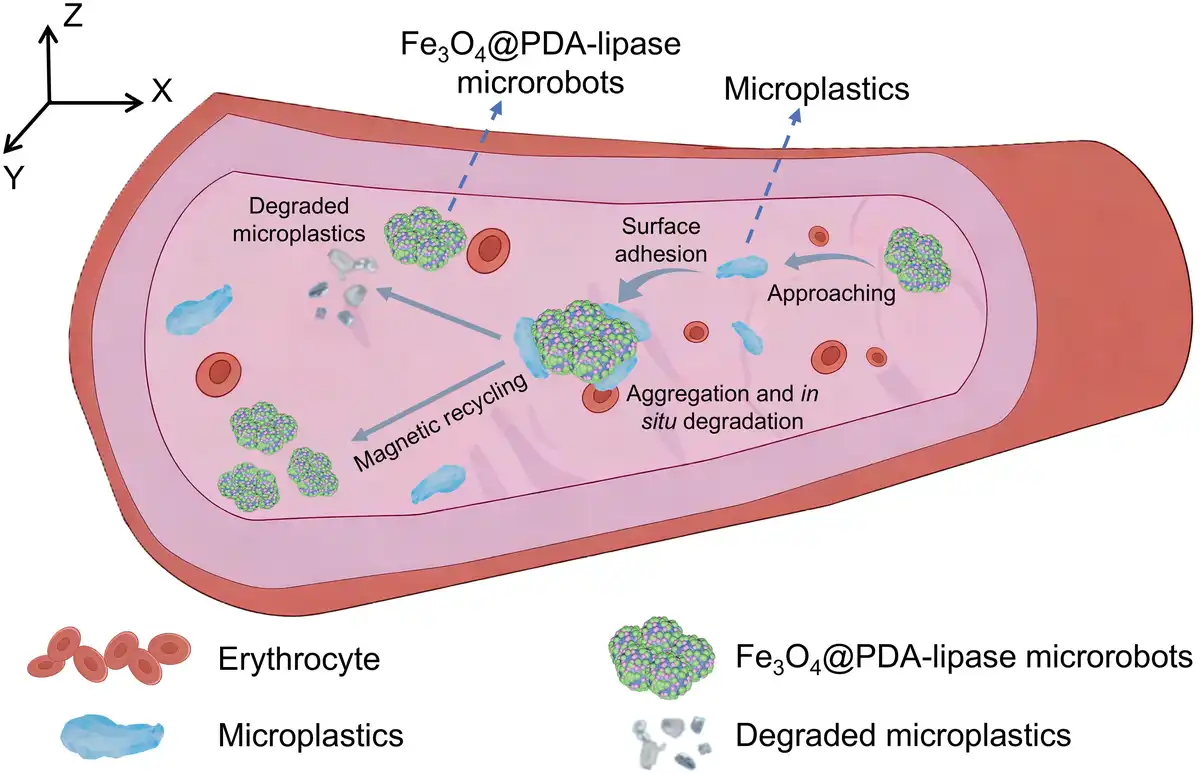
Magnetically driven microscavengers for microplastic degradation in blood
Microplastics can traverse human physiological barriers, infiltrate and accumulate in critical organs and tissues (e.g., brain, blood, and heart) over extended periods, posing significant threats to human health. While microplastic degradation in aquatic environments (e.g., contaminated water) has been extensively studied, research on bloodstream microplastic degradation remains largely unexplored, leaving a critical gap in remediation strategies. To fill this gap, we pioneered the fabrication of biocompatible magnetically driven Fe3O4@polydopamine (PDA)-lipase microrobots by functionalizing Fe3O4 nanoparticles with PDA and lipase for blood-borne microplastic degradation. In vitro blood experiments confirmed that this platform holds promise for future detoxification of circulating microplastics. The microrobots integrate synergistic functions: Fe3O4 enables magnetic responsiveness for precise movement control; PDA provides adhesive properties for robust microplastic binding; and lipase mediates enzymatic microplastic degradation. Guided by an external rotating magnetic field, the microrobots achieve targeted microplastic capture and in situ enzymatic degradation in blood without releasing harmful substances, addressing a pivotal safety concern for biomedical applications. Performance evaluations showed ~25% microplastic degradation efficiency in blood after 7 days of incubation. Additionally, the microrobots can be effectively recycled via magnetic separation postdegradation, reducing residuals and improving practicality. Hemolysis assays using rabbit blood and toxicity evaluations using human umbilical vein endothelial cells and immunofluorescence experiments confirmed their excellent biocompatibility and immunogenicity, an indispensable prerequisite for potential in vivo translation. As a proof-of-concept study, this work provides a promising biocompatible approach for blood microplastic degradation and clearance, simultaneously overcoming the technical challenge of blood-specific targeted degradation and meeting safety requirements, thus laying a foundation for microrobot-based mitigation of microplastic health hazards.